Drips, Decibels and the Dinner Lady Vote: A Lowerhouse Washroom Drying Trial
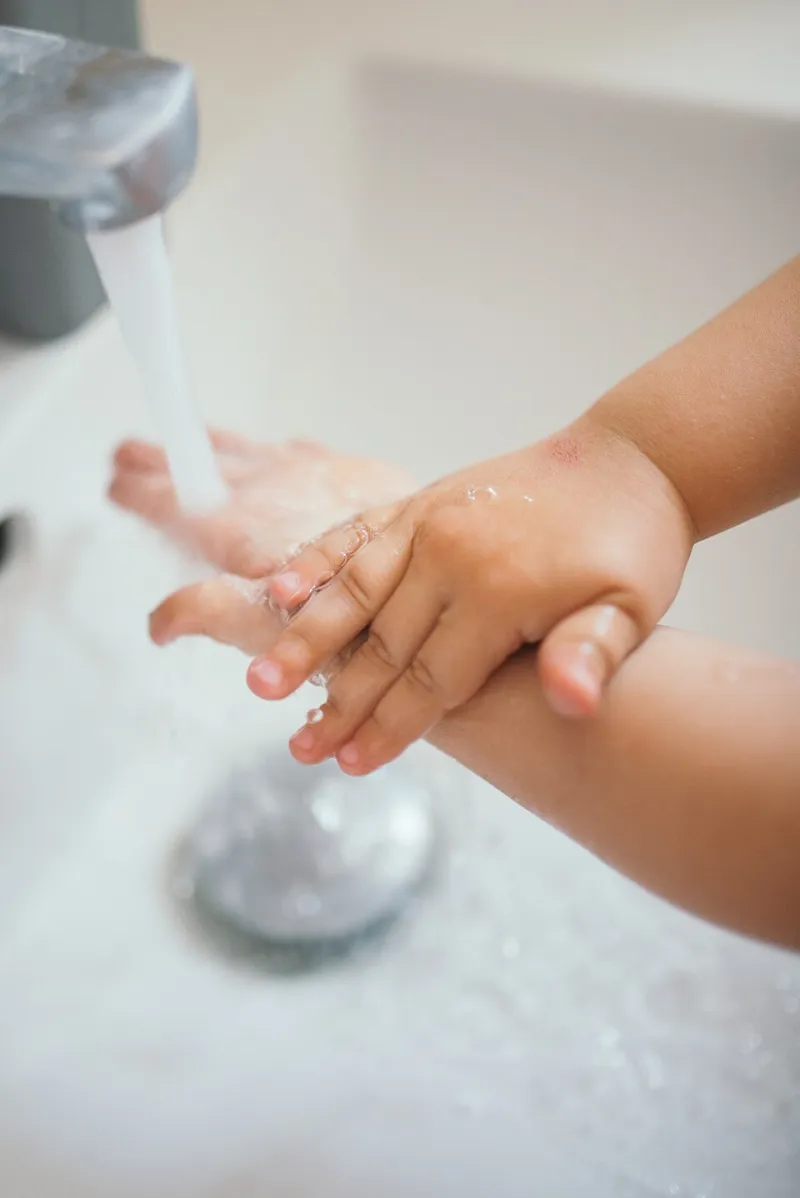
Photo: Shixart1985, CC BY 2.0, via Wikimedia Commons
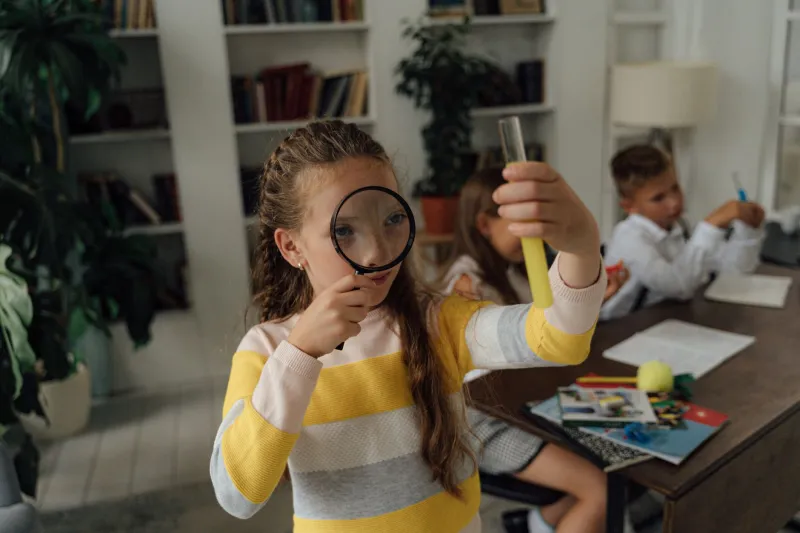
At Lowerhouse, the washroom has always been a place of mystery. Not the soap dispensers, which are fairly reliable, and not the hot tap, which has opinions. The real puzzle is what happens after washing: paper towels, hand dryer, or the quick sleeve-shake that every junior school knows only too well. In November 2026, a group of our classes decided to stop guessing and start measuring. The result was part science lesson, part comedy sketch and part very practical parent guide.
Why a washroom trial?
Hand-drying looks like a tiny detail. It is not. Wet hands pick up more germs, dripping hands make floors slippery, and a bin full of paper towels is a daily reminder that small routines add up. A hand dryer hums away in the corner, using electricity and making a noise that can be heard from the corridor. The sleeve-shake uses no paper and no plug, but it leaves damp cuffs and is not something we would recommend as a hygiene plan. That mixture of hygiene, sustainability and evidence is exactly the sort of everyday science we like at Lowerhouse.
The fair-test method
The pupils wanted a sensible comparison, not a race to see who could make the loudest noise. So we agreed on a fair test with clear variables.
- Same washing routine: every volunteer washed for 10 seconds with the same soap and warm water, then gave their hands two gentle shakes over the sink.
- Same drying rule: hands counted as dry when no water ran off and the skin felt dry to the back of the hand. Three pupil checkers agreed before we stopped the stopwatch.
- Same starting point: each method was tested by the same five volunteers, so we were not comparing a tiny Year 3 hand with a large adult hand.
- Same measurement spots: noise was recorded with a phone sound-meter app held one metre away. Paper use was counted in sheets and checked on kitchen scales. Energy for the dryer was estimated from the label power rating and the drying time, not from a laboratory meter.
We should be honest about the limits. A phone app is not a calibrated decibel meter, and our dryness check involved human judgement. That is not a reason to skip the test. It is a reason to talk about uncertainty, repeats and better equipment next time.
The results table
Our class results are below. Your numbers will differ, and that is part of the point: the table is a starting point for discussion, not a universal rule.
| Method | Average drying time | Paper used | Noise at one metre | Energy note | Pupil verdict |
|---|---|---|---|---|---|
| Paper towels | 19 seconds | 3 sheets | 44 dB | Low direct energy, but paper waste | Quick and quiet; the bin fills fast |
| Warm-air dryer | 38 seconds | 0 sheets | 79 dB | About 0.02 kWh per dry, from the label estimate | Hands dry, ears complain |
| Sleeve-shake | 29 seconds | 0 sheets | 36 dB | No plug-in energy | Damp cuffs and cold wrists; not a hygiene recommendation |
The dinner-lady vote
We also asked staff who supervise the dining hall to listen to recordings of the dryer and the paper-towel rustle. Their vote was not a scientific measurement, but it was useful context. The dryer won on tidiness and lost on noise. Paper towels won on speed and lost on bin volume. The sleeve-shake won on nothing much except avoiding the queue, which is exactly why pupils keep trying it.
What the evidence does and does not say
Paper towels were the fastest and quietest method in our trial, but they created the most waste. The dryer used no paper, but it took longer, used electricity and reached a noise level that several pupils found uncomfortable. The sleeve-shake was a playful baseline, not a serious hygiene choice.
The bigger lesson is that evidence rarely gives us one perfect answer. A school might choose paper towels in some washrooms and dryers in others, depending on noise, cost, bin space and the needs of pupils. A family might choose a clean hand towel at home. What matters is that the choice is based on something we have actually noticed, counted or measured, rather than a slogan on a poster.
A parent-teacher guide for continuing the chat
At home, you can turn this into a five-minute conversation without turning the kitchen into a laboratory.
- Ask what surprised them. Was the fastest method the best method? Was the quietest method the most sustainable?
- Talk about what we did not measure. We did not test germ levels, cost per dry or how long a dryer lasts. That is a good reminder that every investigation has limits.
- Praise the fair test. Ask which variables the class controlled and which ones were harder to control, such as hand size or the dryness check.
- Link it to school routines. If your child dislikes the dryer noise, that is useful information for teachers. If they notice paper towels on the floor, that is a practical sustainability conversation.
- Keep hygiene first. Drying hands properly matters. The sleeve-shake is a fun comparison, not a replacement for proper hand-drying.
The last word: dry hands, better questions
The Lowerhouse washroom trial did not settle the great hand-drying debate for ever. It did something more useful: it gave pupils a reason to ask better questions about a routine they do every day. Next time you are standing by a dryer, waiting for the paper towel to drop or watching someone flick their hands dry, remember that even a drippy washroom can be a place for evidence. And if you hear a dinner lady muttering about the noise, you will know she has a point.