Why the Playground Crackles: Winter Science for Lowerhouse Families in 2026
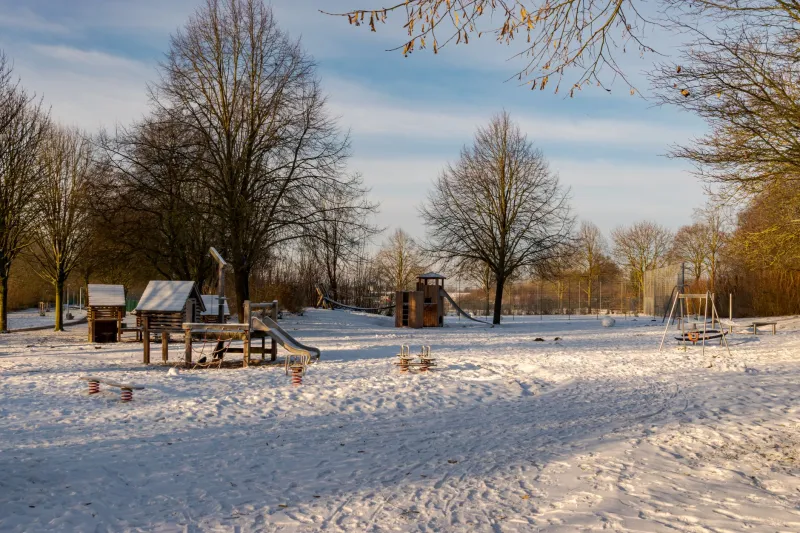
Winter in the UK rarely arrives like a postcard. More often it turns up as a grey sky, a wet walk to school and a puddle that looks innocent until someone steps in it. At Lowerhouse Science, we like those mornings. They are full of questions: why is the grass white? Why does the field disappear into fog? Why does a frozen puddle crack like a biscuit?
This guide is for pupils, parents and teachers who want to look closely at the science of a UK winter in 2026. It explains the basics in plain English, suggests three safe classroom investigations and offers a parent-friendly look at why our winters are becoming wetter as well as colder.
The small science of a cold morning
Frost is not simply frozen dew. On a clear, cold night, heat escapes from the ground into the sky. Surfaces such as grass, car roofs and playground benches can drop below 0°C. Water vapour in the air then changes directly into tiny ice crystals on those surfaces. That is why frost can pattern a leaf or a window while the air a metre above is still slightly warmer. It is also why frost often appears on clear nights rather than cloudy ones: clouds act a bit like a blanket and slow the cooling.
Fog is a cloud that has come down to meet us. When air cools to its dew point, water vapour condenses into tiny droplets that stay suspended. In the UK, fog is common in autumn and winter, especially in valleys, near rivers and on still mornings. If the sun burns it off by breaktime, pupils have seen a small weather system come and go.
Frozen puddles are a lesson in density and expansion. Water is unusual: when it freezes, it expands. That is why ice floats and why a full bottle left outside can split. A shallow puddle freezes from the top down, and the ice can crack underfoot because the water beneath has less room to move. It is also a reminder to walk carefully on icy paths, especially black ice that looks like wet tarmac.
Three safe investigations for the classroom
-
Puddle patrol. Fill a shallow tray with water, mark the level with a pencil or tape, and place it outside in a safe spot. Check it at registration, lunchtime and home time. Pupils can record whether it is liquid, slushy or solid, and measure the air temperature nearby. The point is not to make a perfect ice rink; it is to notice that freezing and melting take time.
-
Fog in a jar. A teacher can half-fill a clear jar with warm water, place a lid on top and put ice on the lid. As the warm water evaporates and the lid cools, tiny droplets form. Pupils can describe what they see and compare it with a foggy morning. Keep hot water handling with an adult, and never use boiling water.
-
Winter wrap test. Three cups of warm water can show how insulation slows cooling. Leave one cup bare, wrap one in a woolly sock and one in foil. Take the temperature every five minutes with a thermometer. This links nicely to winter clothing and to fair testing: same amount of water, same starting temperature, same room.
Why UK winters are getting wetter, not just colder
Parents often ask why a cold snap does not seem to cancel out talk of a warming climate. The answer is that weather and climate are different. Weather is what happens on a Tuesday; climate is the long-term pattern. Climate scientists have found that a warmer atmosphere can hold more moisture. For every 1°C of warming, the air can hold roughly 7% more water vapour. The UK sits next to a large ocean, so our winters are already shaped by mild, moist Atlantic air. Put those facts together and heavier rain becomes more likely, even in a winter that still brings frost and snow.
That does not mean every UK winter is warmer or every cold spell is fake. It means the odds are shifting. In recent decades, UK winters have tended to be wetter overall, with more heavy rainfall events and more flooding in some areas. Cold snaps still arrive when polar air pushes south. A wetter winter can even feel colder because damp air and wind chill make us feel chillier than the thermometer suggests.
For families, the practical message is simple: check the forecast, keep wellies by the door and talk about what pupils notice. The Met Office warnings are a good starting point for conversations about risk and preparation.
Keeping the curiosity going at home
You do not need a lab. A shallow dish of water on a safe windowsill can become a freeze-and-thaw diary. A spray bottle on a cold morning can show how droplets behave. A walk to school can be a weather transect: which surfaces are frosty? Where is the fog thickest? Which puddle melts first?
Ask open questions: What changed? What stayed the same? What would happen if we put this in the shade? Pupils do not need to get the right answer first time. They need to practise looking, recording and explaining.
The big takeaway
A UK winter is not a break from science. It is a free, noisy, slightly damp science lesson outside the classroom window. Whether pupils are measuring a puddle or asking why fog swallows the playing field, they are doing what scientists do: noticing a pattern and trying to explain it.
At Lowerhouse Science, we would love to see photos of your frosty investigations. Ask a grown-up to send them in, and keep an eye on the school noticeboard for winter weather updates.