The Fogged Window Files: A Lowerhouse Classroom Moisture Map for Winter 2026
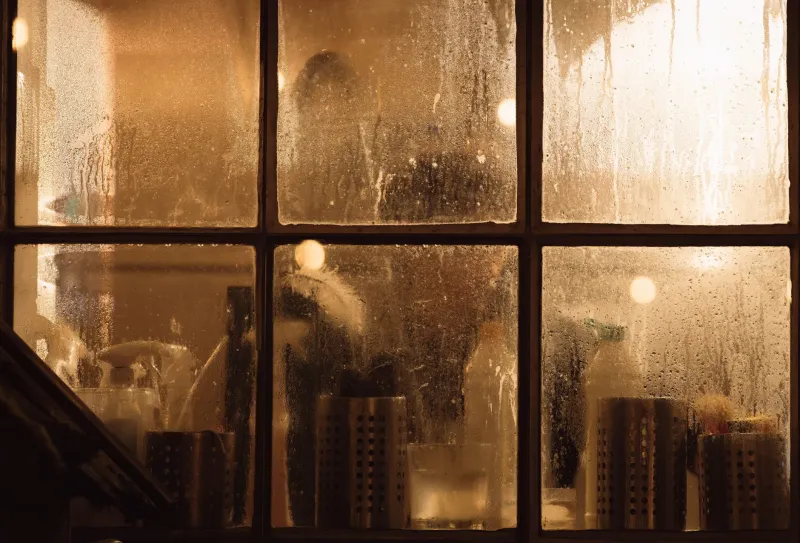
On a damp November morning, the windows in the Year 4 cloakroom do a very good impression of a steam room. Coats go on, breath fogs up, and by breaktime the glass is wearing a grey cardigan of droplets. It is tempting to wipe it and move on. At Lowerhouse Science, we would rather ask a question: where did that water come from, and what makes it appear on one window and not another? This winter 2026 trail turns a fogged-up classroom into a proper measurement mission for pupils, parents and teachers.
The fog is a clue, not a fault
Condensation happens when warm, moist air meets a surface cold enough to cool it down. The water vapour in the air turns back into liquid droplets. In a busy junior classroom there is plenty of vapour about: every person breathes out moisture, wet coats drip, boots steam, paint pots evaporate, and even a forgotten water bottle can add to the mix. The glass is simply the coldest handy surface. If the fog is on the inside, the moisture is inside too. That is the first detective note.
Set up a window watch
Choose three windows for a fair comparison: one close to a radiator, one near a busy door, and one in a quieter corner. Put a small sticky note beside each so everyone records the same spots. At 9am, 11am, 1pm and 3pm, give each window a fog score from 0 to 3. Zero is clear. One is a light haze. Two is a proper fog with a few drips. Three is running with water. Write the room temperature and the outside temperature beside each score. A simple digital thermometer is ideal. Do not use a glass mercury thermometer, and never climb on chairs or sills to reach a window. A ruler taped to the frame can be a useful guide for drip length, but the score matters more than perfect numbers.
The bowl-and-thermometer test
To show how warmth moves moisture into the air, try a bowl test at home or in a supervised classroom corner. Fill two identical bowls with 200ml of water and mark the level with a strip of tape. Place one bowl on a safe shelf near a radiator, but not on it, and the other in a cooler corner away from draughts. After 24 hours, compare the levels. The warmer bowl usually loses more water because evaporation is quicker in warm air. That extra moisture has gone into the room, ready to land on a cold window later. Keep bowls away from electrical sockets, computers and busy walkways, and empty them down the sink when you are finished.
Try a five-minute air swap
The most useful test is also the simplest. Pick a breaktime when the classroom is empty. Record the fog score before anyone opens a window. Then open a high window and a door for five minutes to create a cross-draught, and record the score again. Many classrooms clear noticeably in that short burst. The message is not to leave windows open all day in winter. It is that short, regular air changes can remove moist air before it settles on the glass. Ask an adult to open high windows, and never let pupils do it unsupervised.
Make a moisture map
Older pupils can turn the results into a map of the classroom. Draw the room outline, mark the three windows, and add arrows for likely moisture sources: the cloakroom, the sink, the plant tray, the lunchbox trolley. Use one colour for places that fogged up and another for places that stayed clear. Add a key for the fog scores. The map does not need to be beautiful. It needs to be honest. A clear window beside a warm radiator and a foggy window beside a cold door tell a story.
A parent-teacher guide for less clammy classrooms
For parents, the practical steps are small. Send children in with a named waterproof coat and check that spare socks or gloves come back home to dry. A damp PE kit left in a bag all week is a tiny indoor weather system. For teachers, the trail fits neatly into a science lesson on states of matter or a PSHE chat about healthy classrooms. Ask the site team about vents and trickle vents, and keep displays and furniture from blocking them. Report persistent condensation, black mould or a window that never clears to the school office, because that may need a maintenance check rather than a bigger bowl of water. If a child has asthma or another breathing condition, the school will already have a care plan, so share any concerns through the usual channels.
What to record, and what to ignore
Keep a simple table: time, window name, fog score, room temperature, outside temperature, action taken. Take a photo of the glass if you like, but keep faces out of the frame. Do not worry if results are messy. Real science often is. A window that fogs after a wet playtime and clears after a five-minute air swap has given you a useful answer. A window that stays foggy all day may need a closer look from an adult.
The small reveal
By the end of the trail, pupils should be able to say three things: moisture comes from people, damp things and warm air; cold glass turns that vapour back into droplets; and short bursts of ventilation change the result. That is condensation science with a Lowerhouse twist: less wiping, more wondering. On the next grey November morning, the fogged window is not just something to clear. It is the first page of a data trail.