The Green Writing on the Wall: A Lowerhouse Moss-and-Lichen Safari for Drizzly Days
On a drizzly November morning, most of us look down at puddles. This month, try looking sideways instead. Walls, gateposts, kerbstones and old boundary stones are covered in small green and grey patches that quietly record the weather, the shelter and the traffic around them. For Lowerhouse pupils, moss and lichen make a brilliant low-cost science trail: no batteries, no app, and plenty to notice within a short walk of school.
First, know what you are looking at
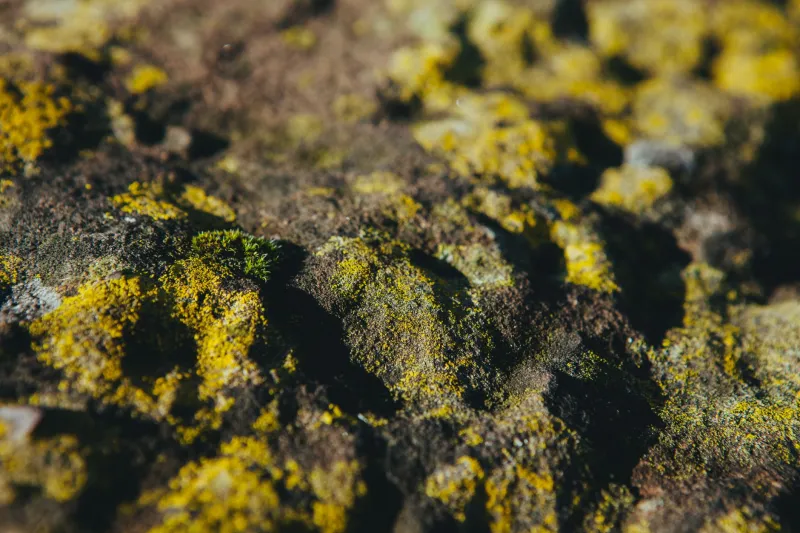
Moss and lichen are not the same thing, even though they often share a wall. Moss is a tiny plant with soft, leafy shoots, usually growing in damp cushions or tufts. Lichen is a partnership between a fungus and an alga or cyanobacterium, and it tends to look more like a stain, a crust, a flaky patch or a tiny shrub. Some lichens are flat and paint-like; some have leafy edges; a few look like miniature coral. A cheap magnifying glass helps, but a phone camera zoom is fine too.
The key rule is simple: look, photograph, record, but do not scrape or pick. Lichen grows slowly, and a patch that took years to develop can be ruined in seconds. If you are not sure what something is, write 'unknown green patch' and move on. Honest recording beats a confident guess.
Why walls have tales to tell
Different mosses and lichens tolerate different conditions. Moss generally likes damp and shade, so it often appears near leaky gutters, shaded north-facing walls, drainpipes and places where water lingers. Lichens can be more varied. Some are sensitive to certain kinds of air pollution, while others cope with dust or nitrogen-rich conditions. That does not mean a single patch can give you a neat traffic-light verdict on air quality. It means the mix of patches is worth watching over time.
For families, the safest and most scientific approach is to describe rather than judge. Record how much moss or lichen is present, what colour and texture it has, whether the wall is wet or dry, and whether the spot is sheltered or exposed. A wall with lots of moss may simply be shady and damp. A wall with crusty lichens may be drier and older. Both are useful evidence.
Safety and recording rules for a school safari
A wall survey works best when everyone stays comfortable and sensible. Keep to the pavement, stay away from busy roads, and do not lean over private gardens or climb on walls. Ask before surveying a wall that belongs to someone else. Avoid touching your face, wash hands afterwards, and do not pick at flaking paint, broken glass or anything that looks unsafe.
A simple recording sheet can include: date, time, weather, location, which way the wall faces if you can tell, whether it is damp or dry, and a quick sketch or photo. Add a tally for moss, crusty lichen, leafy lichen, and 'not sure'. Pupils can also note whether the patch is low down, waist high or near the top of the wall. That last detail often explains a lot, because damp collects and shade falls differently at different heights.
The Lowerhouse drizzly-day trail
This short trail works around school grounds or on a local walk. Choose six stops and spend about two minutes at each.
- The gatepost. Compare the side facing the road with the side facing the playground. Which looks greener or damper?
- The drainpipe wall. Look for moss near the bottom and lichen higher up. Is there a clear change with height?
- The top of a low wall. This is often drier and more exposed. Look for flat, crusty patches rather than soft cushions.
- Under a tree. Shade and leaf litter may keep this spot damp. Compare it with the open wall.
- A sheltered corner. Near a bin store, porch or boundary wall, note whether the air feels still and whether the wall stays wetter.
- An older stone or gatepost. Texture matters. Rough stone holds moisture and tiny pockets of soil, so it may support more variety.
On a drizzly day, colours look brighter, but walls are slippery. Keep feet flat, do not lean on wet stone, and put the recording sheet in a plastic wallet. A pencil is better than a pen in the rain. If the drizzle turns heavy, retreat to a doorway and compare photos instead.
What the patches might mean
Thick moss often points to damp and shade, especially where water drips or drains. A variety of lichens on an old wall may suggest the surface has been left undisturbed for a long time. Bare or scrubbed patches may tell you about cleaning, repainting or repair. None of these clues is a full air-quality report on its own. They are local stories about moisture, shelter, age and maintenance.
If families are worried about pollution, the right next step is to check official local air-quality information, not to diagnose from a single wall. The value of the safari is that it builds careful observation. Pupils learn to compare, record and ask better questions: Why is this side wetter? Does the wall near the road look different from the one in the playground? What has changed after a week of rain?
Turn it into a talking point
Back indoors, spread out the photos and sketch a simple map of the trail. Mark the dampest stop, the most varied stop and the biggest surprise. Ask pupils to write one sentence beginning 'This wall might be...' and then explain their evidence. Repeat the survey later in the school year and compare. Moss and lichen are slow, so change may be subtle, but that is exactly what makes the recording worthwhile.
A wall is not blank. It is a living noticeboard of damp, shade, stone and time. With a pencil, a camera and a careful eye, Lowerhouse families can read a little of it together, even on a drizzly November day.