Decibels in the Dining Hall: A Lowerhouse Sound Detective Trail
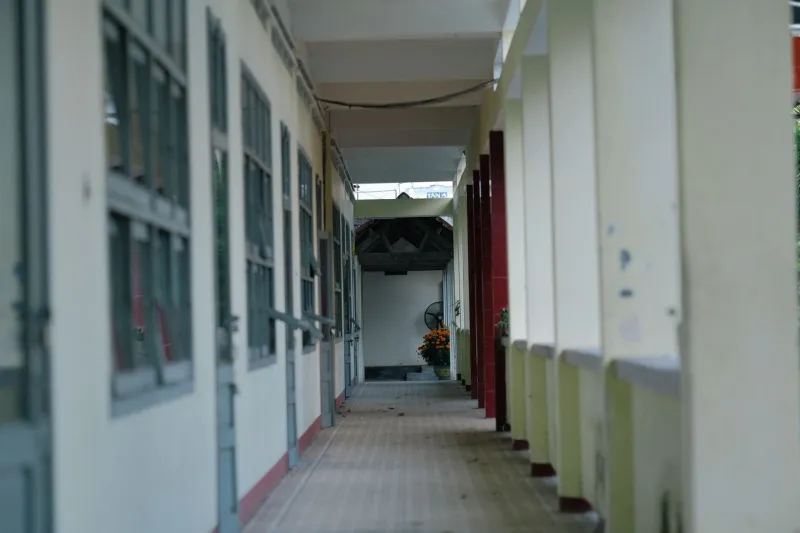
At 12:10 on a Wednesday, the Lowerhouse corridor can feel like a tunnel of chatter, footsteps and doors. Ten minutes later, the library may be almost silent. The dining hall is another world again. A soundscape is the mix of sounds in a place, and mapping it is a practical way to talk about hearing, concentration and the design of school spaces.
This investigation uses a phone sound-meter app, but treat the numbers as clues rather than verdicts. A phone microphone is not a calibrated scientific instrument. It can still help you compare the library with the playground, provided you use the same phone, the same app and the same method each time.
The four-zone sound check
Choose four zones: the library, a corridor, the dining hall and the playground. Visit each at a similar time of day, if you can. Hold the phone at arm's length, at about waist height, and keep your body between the phone and any direct shouting. Use the app's average reading over 30 seconds if it has one, and note the peak reading too.
Before you start, agree on a few descriptive words: rustle, chatter, clatter, hum, footfall, shout, echo. Numbers alone can miss the character of a place. A dining hall may have a high average because of hundreds of conversations, while a corridor may have short bursts of noise as classes pass.
A pupil-friendly recording sheet
Copy this table into a notebook or print it for a clipboard. Add a simple traffic-light key: green for easy to talk, amber for raised voices, red for have to shout.
| Zone | What we heard | Average reading | Peak reading | Traffic light | One design idea |
|---|---|---|---|---|---|
| Library | |||||
| Corridor | |||||
| Dining hall | |||||
| Playground |
Write down the time, the weather and whether the space was busy. Those details matter. A wet break time sends more pupils indoors, and a corridor at lesson change is not the same as a corridor at 2pm.
What the numbers can tell us
Sound is measured in decibels, or dB. A quiet library might sit far below a busy dining hall, but the exact figures depend on the app and the phone. What matters is the pattern: which spaces are consistently louder, and when.
Hearing is one reason to care. Prolonged exposure to loud sound can damage hearing over time, and ringing in the ears after a noisy event is a warning sign. If a person has to shout to be understood by someone an arm's length away, the environment is probably loud. That is a useful rule of thumb for families as well as pupils.
Concentration is another. Reading, writing and listening to instructions are harder when background sound is high. This does not mean schools should be silent. It means the sound level should match the task. A playground should have room for energy; a library should protect quiet.
Small design fixes
You do not need a major building project to change a soundscape. Soft furnishings, curtains, felt pads on chair legs and tablecloths can reduce clatter. Closing doors between corridors and halls helps. So does staggering dining sittings or creating a quiet table at the edge of the hall.
Outdoors, zoning works well: a quiet bench area, an active games zone and a garden or sensory patch. Signs can help, but they work best when they are short and friendly. Ask pupils where the noisy spots are. They often know exactly which corner echoes.
A family sound detective walk
At home, try a sound detective walk. You do not need an app, though you can use one if you like. Stand still for 30 seconds in each place and count the different sounds you can hear. Try the kitchen with the kettle on, the front door at rush hour, a bus stop, a park, a library and a café.
Draw a simple map and colour it green, amber and red. Then choose one small change to test: a felt pad under a chair, a door closed during homework, or a 'quiet minute' before bedtime. Repeat the sound check and see if anything shifts.
If your child regularly complains of ringing ears, struggles to hear in class or seems sensitive to everyday noise, speak to their teacher or GP. A classroom project is not a hearing test. It is a way of listening more carefully to the places we share.