Crunch Time: A Lowerhouse Lunchbox Miles-and-Waste Investigation
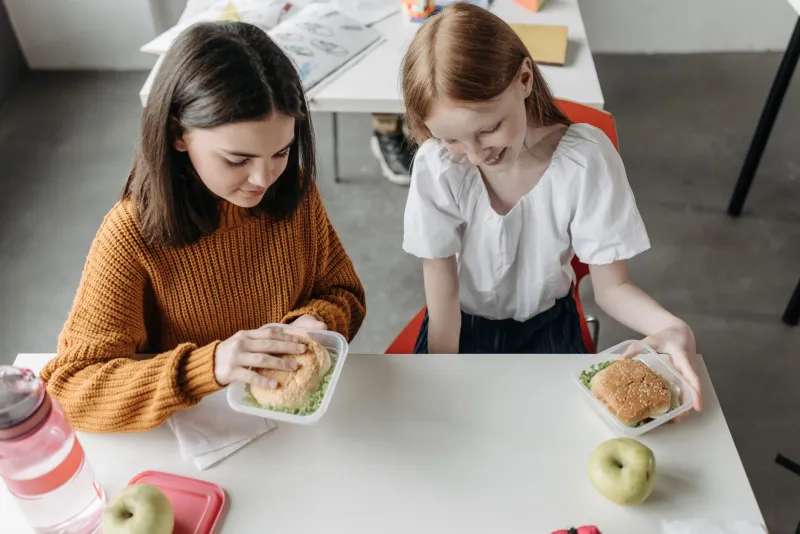
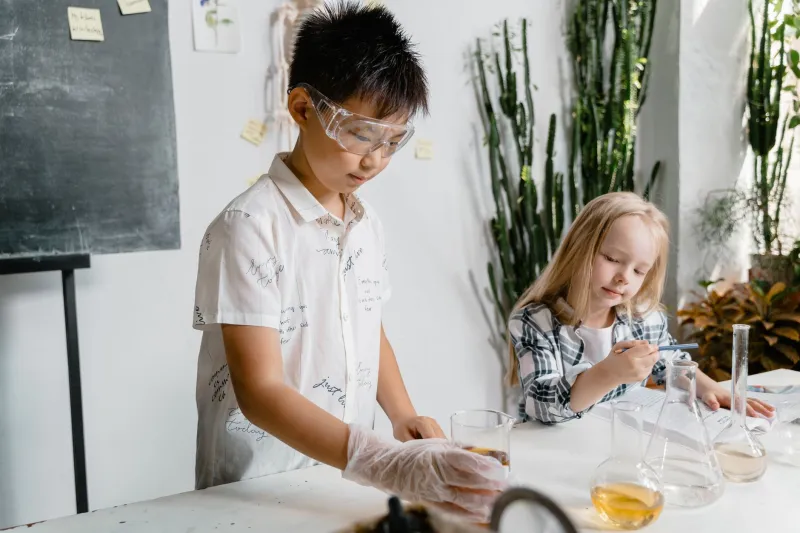
On a damp November morning in 2026, a Year 5 classroom at Lowerhouse can look more like a small market stall than a science lesson. Lunchboxes are open, ingredients are sorted into paper plates, and somebody is carefully weighing a crisp packet on kitchen scales. This is the Lowerhouse lunchbox audit: a classroom-to-kitchen investigation that turns a midday meal into a gentle lesson in geography, maths, seasonality and waste.
The point is not to score families or shame anybody’s sandwich. Food is personal, budgets vary, and a lunchbox has to work for the child eating it. The point is to notice what is inside, ask where it came from, and see what small changes are possible without losing the crunch.
Start with ingredients, not labels
A useful first step is to unpack the lunchbox into ingredients rather than branded items. Bread, cheese, apple, carrot sticks, yogurt, crisps, a cereal bar, a banana, a flask of water. Pupils can draw or list each one and then sort it into a simple question: was this grown or made in the UK, or did it come from overseas?
For younger pupils, this can be a sorting-card activity. Near or far. UK or not UK. For older pupils, it becomes a map task: find the country of origin, trace a rough route, and use a ruler to estimate distance on a printed map. The maths should stay age-appropriate. Key Stage 1 pupils can tally ingredients and make a pictogram. Lower Key Stage 2 can round distances to the nearest 10 or 100 miles and build a bar chart. Upper Key Stage 2 can calculate averages across the class and discuss why an estimate is not the same as a precise measurement.
Food miles without the motorway maths
Food miles are simply the distance food travels from where it is grown, reared or made to where it is eaten. A Kent apple reaching a Lancashire lunchbox might travel roughly 250 miles. UK-grown wheat for flour might be a few hundred miles at most. A Spanish strawberry in November could clock up more than 1,000 miles. Bananas from Costa Rica might travel around 5,000 miles by sea. Kenyan green beans might arrive by air, which adds a different kind of environmental cost.
These are rough classroom figures, not precision engineering. The value is in comparison. Pupils quickly see that ‘near’ and ‘far’ are useful words, and that a lunchbox can contain a mixture of both. It is also worth saying clearly that food miles are only one measure. Nutrition, fairness, affordability, water use, farming methods and packaging all matter. A banana shipped by sea can be a perfectly good lunchbox fruit. The audit is a conversation starter, not a league table of virtue.
Seasonality and the nutrition twist
November in the UK is a good month for apples, pears, carrots, cabbage, leeks, potatoes, beetroot and squash. Those ingredients can be fresh, familiar and useful in a packed lunch. Tomatoes, berries and lettuce are more likely to be imported or grown in heated conditions at this time of year. That does not make them forbidden. It simply gives pupils a seasonal swap to investigate.
Link the map back to the body. A lunchbox needs energy, protein, fibre, vitamins and water. Crunchy vegetables and fruit help with fibre and hydration. Cheese, eggs, beans, yogurt or hummus can add protein. Bread, pasta, rice or potatoes provide energy. A lower-mile lunch is not automatically a better lunch, but a seasonal one can be fresh, varied and satisfying. Ask pupils to spot one item that could be swapped for a UK seasonal alternative, and one item they would keep exactly as it is because they enjoy it or need it.
Weighing the packaging
Packaging is the part of the audit pupils often find most surprising. Use clean wrappers and containers, not messy leftovers. Sort packaging into paper and card, rigid plastic, soft plastic, glass or metal, and reusable containers. Weigh each pile on kitchen scales, or weigh a sample if the class has collected a lot. Record grams, find the average per lunchbox, and compare a reusable-container lunch with a single-use one.
The maths can be kept simple: grams, totals, averages and bar charts. The science talk can be kept practical: what happens to soft plastic in the waste stream, what can be recycled locally, and what could be reused. A reusable water bottle, a small tub for carrot sticks, or a beeswax wrap can replace several single-use items. Again, the message is one swap, not a complete overhaul.
The family challenge: lower miles, same crunch
Finish the investigation with a design challenge. Can a family build a packed lunch with at least two UK or seasonal ingredients, one reusable container and one crunchy item with less packaging — without losing the crunch that makes lunch enjoyable?
Examples might include a UK apple, carrot sticks in a tub, a cheese sandwich on UK-milled bread, a flask of water, or a handful of seeds if allergies allow. The lunch does not need to be perfect. It needs to be eaten, enjoyed and slightly more thought-through than before. Pupils can draw their design, label the food miles, and add a sentence about what they would change next time.
A calm audit works best. No scores out of ten, no public comparisons, no assumptions about who packed what. The Lowerhouse lunchbox audit is a way to practise counting, mapping, weighing and talking — and to remember that even a crisp packet can become a science question.