Scrunch, Shine, Stick: A Family Wrapping-Paper Test for the Last Week of Term
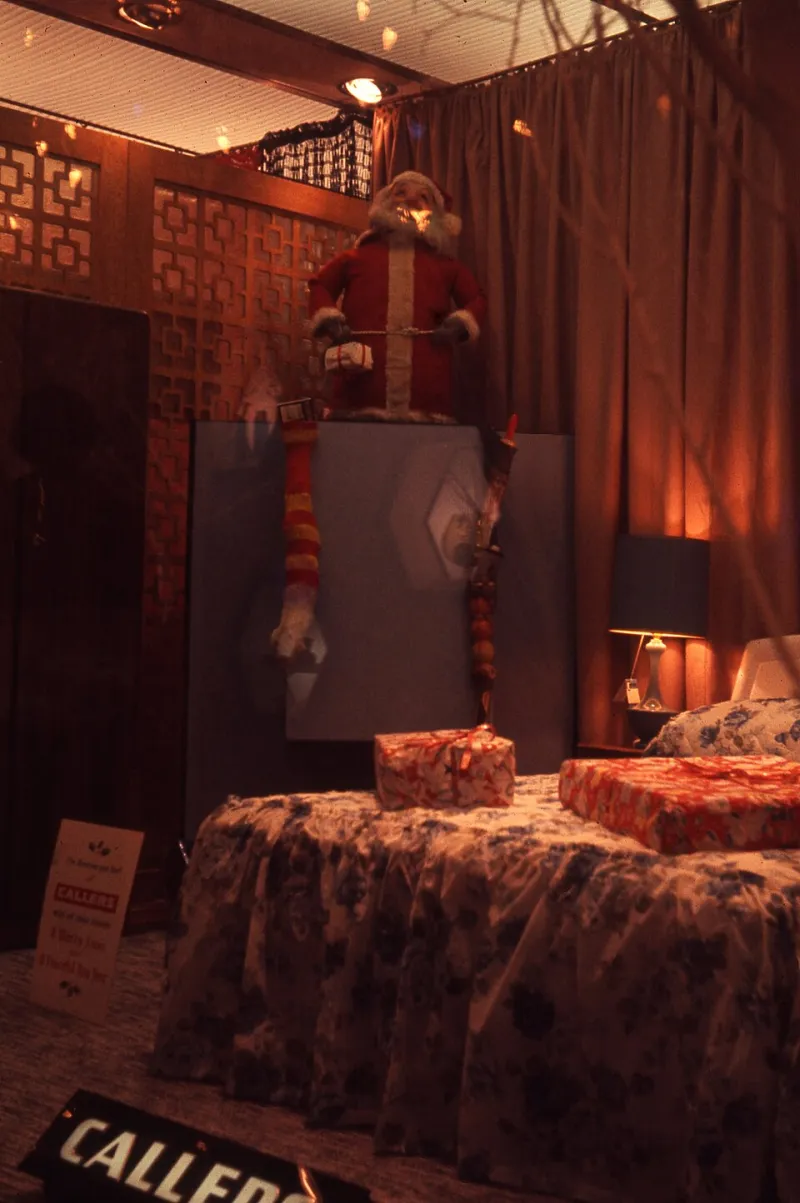
Photo: Tyne & Wear Archives & Museums, No restrictions, via Wikimedia Commons
The last week of term has a particular smell: pencil shavings, mince pies, and the faintly metallic tang of a sticky-tape dispenser. It is also the week when wrapping paper comes out of the cupboard, and families discover that some rolls behave like paper while others behave like a rumpled crisp packet. For Christmas 2026, Lowerhouse Science is turning that kitchen-table confusion into a proper materials investigation. No lab coat required. A table, a ruler, a roll of tape and a few scraps are enough.
Why wrapping paper is a materials question
Wrapping paper is not one material. Most ordinary paper is made from wood pulp fibres. Those fibres can be pulped again and turned into new paper, which is why plain paper is usually welcome in kerbside recycling. But festive paper often has extras: plastic film, metallic foil, glitter, heavy dye, or a sticky tape and bow that never quite come off. Each extra changes how the sheet scrunches, tears, shines and holds tape. In materials science, that is a fair-test playground.
The aim is not to crown one roll as the winner. The aim is to practise comparing materials using the same tests, then to make a sensible decision about what happens to each sheet afterwards.
The Lowerhouse four-test scorecard
Cut five squares, roughly 10 cm by 10 cm, from each paper you want to test. Keep the squares the same size and test them on the same table. Use the same hand for every scrunch and the same length of tape for every stick. That is the fair test: change the paper, keep everything else as similar as you can.
Score each test from 1 to 3. One means not much; three means a lot.
Scrunch: close your hand around the square and open it again. Does it stay in a tight ball, spring open, or crack along a fold? A paper that scrunches softly is usually low in stiff coatings.
Tear: make a small nick at the edge and tear gently. Does it rip in a straight-ish line, shred into fibres, or resist like a plastic sheet? Long fibres often tear more slowly than short ones.
Shine: hold the square under a lamp or by a window. Is the surface matte, slightly glossy, or mirror-bright? High shine can mean a foil layer or a plastic coating.
Tape-hold: stick a 10 cm strip of tape across the square, press for five seconds, then lift. Does the tape hold the paper, lift the surface, or slide off? This is a good test for shiny or dusty sheets.
Write the scores in a simple grid. Add a column for the verdict: recycle, reuse or rubbish. The scorecard is not a legal ruling. It is a record of what you observed.
What makes paper recyclable?
Paper recycling works best when the mill can separate fibres from everything else. Plain paper, newspaper, cardboard and brown paper are straightforward. Shiny foil paper, glitter-coated sheets and heavily laminated wraps are not. Glitter is especially awkward because it is made of tiny pieces of plastic or metal that do not break down in the pulping process. Foil layers can contaminate a paper bale. Sticky tape, ribbons and bows should be removed before recycling, even from ordinary paper.
Local rules vary. Some councils accept certain metallic papers; many do not. The safe family rule is to check the kerbside guidance for your own postcode, then keep the scorecard beside the recycling bin. If a sheet fails the scrunch and tear tests, it may still be reusable for a smaller gift, a scrapbook or a craft box. Reuse beats recycling when it keeps material in use for longer.
Foil, glitter and the rubbish question
Not everything that fails the recycling test has to go straight to rubbish. Foil-backed paper can sometimes be reused as a shiny craft material, though it should not go in the paper bin. Glitter paper is best avoided next year if you can. When you do buy it, treat it as a single-use craft item and keep it out of the paper recycling. Ordinary tape should be peeled off and binned. Bows and ribbon can go into a reuse tin.
The rubbish column should be the smallest one. That is the point of the lab: to see how much of the festive paper mountain can be diverted before it reaches the bin.
A school-gate notice for Christmas 2026
Classes can turn the results into a simple display for the school gate or the classroom window. Use three columns headed Recycle, Reuse and Rubbish. Draw or photograph one sample square for each paper tested, then write the score and the verdict underneath. Add a line explaining that council rules differ, so families should check their own kerbside guidance. Keep the language friendly. The notice is a conversation starter, not a telling-off.
A good display might also show the difference between a plain brown paper square and a glittery one. Visitors can scrunch them themselves. The scrunch test is quick, memorable and surprisingly good at starting a materials conversation.
Safety and tidy-up
Use scissors carefully, keep tape away from younger siblings, and avoid tasting or sniffing paper. If you are testing foil-backed sheets, watch for sharp edges. Clear the table afterwards and put reusable scraps into a craft box. The scorecard can live in a folder until next December, when the family can compare a new roll with last year’s results.
The wrapping-paper lab will not solve the whole festive waste problem. It will, however, give children a fair-test habit they can use on any material: look closely, test the same way, record honestly, and decide with evidence. That is a good way to end the term.