Counting on the Cold: A Lowerhouse Playground Birdwatch for Winter 2026
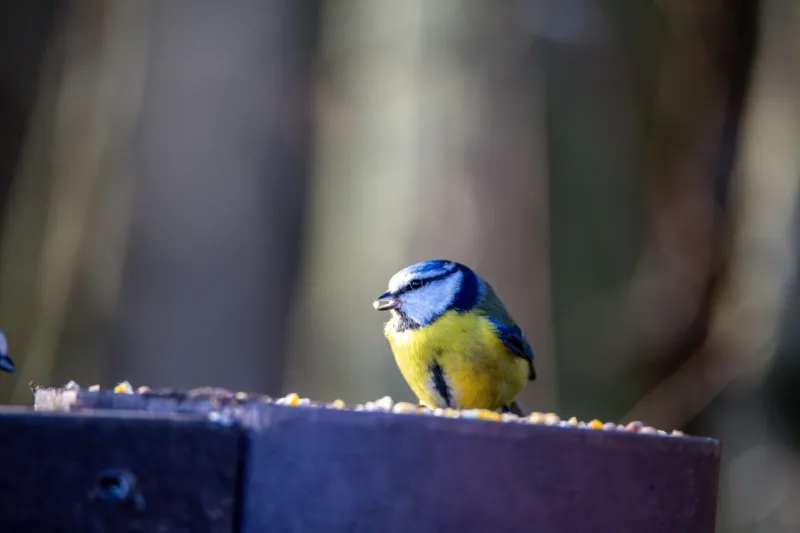
Winter has a useful habit of making birds easier to notice. The trees are bare, the light is low and a robin on a frosty fence can feel like a small event. For Lowerhouse families and classes, that makes the coming months a good time to try a winter birdwatch: one hour, one window or playground patch, and a tally sheet that is simple enough to finish before the hot chocolate goes cold.
Why count garden birds at all
Birdwatching can look like a quiet hobby, but a shared count is genuine citizen science. When thousands of people record the birds they see in the same way, researchers get a picture of how common species are doing across the country. Garden birds are familiar, but familiar does not mean well understood. Long-term counts help show whether numbers are rising, falling or shifting with weather and seasons.
For pupils, the appeal is more immediate. A bird count asks them to slow down, look carefully and record what they actually see rather than what they expect to see. That is a proper scientific habit, and it works just as well from a kitchen window in Lowerhouse as it does from a nature reserve.
Set your patch: playground or kitchen window
Pick a fixed spot and a fixed time. A kitchen window, a classroom window or a quiet corner of the playground all work. The key is to use the same patch each time so the count is comparable.
Try to choose a calm hour. Birds are often more active in the morning, but the best time is the one a family or class can actually manage. Avoid standing too close to feeders, tapping the glass or letting a group of excited children crowd the window. Binoculars are helpful but not essential. A pencil, a clipboard and a little patience are the main equipment.
If you are counting at school, agree on the boundary of the patch before you start. Is it the whole playground, the hedge and feeder area, or just the view from one window? Write it down. A clear patch stops one class counting the same woodpigeon as another.
Know your feathered five, then add a few
Beginners do not need to identify every bird. Start with a short list and build confidence. These are good Lowerhouse starting points:
- Robin: round, friendly-looking, red-orange breast. Often watches from a low branch.
- Blue tit: small, blue cap and wings, yellow belly. Quick, acrobatic feeder visitor.
- Great tit: bigger than a blue tit, black head with white cheeks, loud teacher-teacher call.
- Blackbird: dark male, brown female, orange-yellow bill. Often hops on the ground.
- House sparrow: small, brown and grey, noisy and usually in a group.
A few extras are worth knowing: the starling, glossy and speckled in winter, often arrives in a crowd; the goldfinch, with a red face and yellow wing flash; the chaffinch, with a soft pinkish breast; the woodpigeon, plump and grey with a white neck patch; and the magpie, unmistakable in black and white.
Encourage pupils to record what they are sure about. A mysterious brown bird can go down as unidentified brown bird. That is honest data, and it is better than a guess.
Feeder hygiene that protects the count
A busy feeder is a responsibility. Birds gather closely, so dirty feeders and old food can help spread disease. Clean feeders regularly, ideally every week or two, using hot soapy water. Rinse well, let them dry completely and refill with fresh food. Empty out damp or mouldy seed, and rotate feeder positions so the ground beneath does not become a soggy mess.
Provide clean water too, especially in cold spells when natural water may be frozen. Keep feeding areas away from obvious cat ambush points, and wash hands after handling feeders or bird equipment. If you see several sick or dead birds around a feeder, stop feeding for a short period, clean thoroughly and seek advice from a wildlife or garden-bird organisation.
At school, an adult should manage feeder cleaning and refilling. Pupils can still help with the tally, the display and the questions.
The tally-sheet method that actually works
The biggest beginner mistake is counting every visit. If one blue tit visits the feeder 20 times, it is still one blue tit for the purposes of many garden surveys. Instead, record the highest number of birds of each species seen at the same time during the count. This is called the maximum simultaneous count.
A simple sheet works well:
- Date and start time.
- Weather: dry, raining, frosty, windy, bright or overcast.
- Patch: kitchen window, playground hedge, classroom view.
- Birds: species name and tally marks.
- Maximum simultaneous count for each species.
- Anything unusual: a sparrowhawk, a flock of starlings, a squirrel raiding the feeder.
Count for one hour if you can, or a shorter agreed time for younger children. Keep the method the same each time. If the class counts for 20 minutes on Friday, do not compare it with a one-hour count on Monday without saying so. Consistency is the quiet magic of citizen science.
From clipboard to corridor display
Once Lowerhouse pupils have a few counts, the data can become a whole-school display. Each class could submit its top five birds and the maximum count for each. A simple bar chart in the corridor can show which species appeared most often across the school. A map of the playground could mark feeder positions, hedge cover and quiet counting spots.
Older pupils might compare morning and afternoon counts, or ask whether windy days change the number of birds. Younger pupils could make labelled drawings and write one sentence about what they noticed. The display does not need to be glossy. A honest tally sheet, a few photographs of empty feeders and a hand-drawn robin can be more engaging than a perfectly printed poster.
If a class is taking part in a national winter survey, an adult can enter the results online. Always check the survey instructions, because different schemes use slightly different rules. The Lowerhouse display can then show both the school’s own counts and the wider idea that these small observations join a much bigger dataset.
Birds first, data second
A winter birdwatch should never disturb the birds it is studying. Keep noise low, avoid chasing or flushing birds, and do not put feeders where they block fire exits or create a mess on walkways. If a cat is sitting under the feeder, the count can wait. The birds are not performing for us; we are simply lucky enough to be watching.
Winter 2026 may bring frost, drizzle and grey afternoons, but it also brings hungry birds close to windows and playground hedges. A tally sheet, a clean feeder and one quiet hour are a good start. Lowerhouse pupils can then turn those small counts into something shared: a corridor chart, a class question and a record of the season as it actually happened.