Leaf Litter, Little Furnaces: A Lowerhouse November Temperature Safari
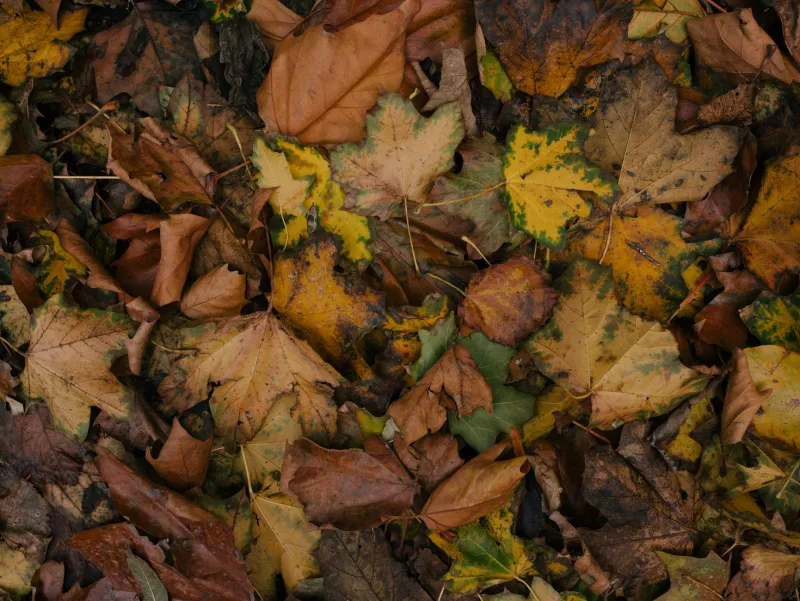
On a bright November morning, the edge of the Lowerhouse playground can look like a confetti factory. Leaves gather by the fence, clog the drains and cling to wellies. But a leaf pile is not just a sign that autumn has overstayed its welcome. Underneath that crunchy top layer, something quietly warm is going on.
This month, Lowerhouse Science is setting out a simple temperature safari for classes and families. The aim is not to find a bonfire in the bushes. It is to ask a good question, take careful readings and see what the numbers say. A leaf pile, bare soil and the open air all sit close together, yet they can behave very differently. That makes them a neat comparison for a fair test in November 2026.
The science in a nutshell
Leaves are plant material. Once they fall, fungi and bacteria begin to break them down. Invertebrates such as woodlice and millipedes shred them into smaller pieces, which gives the microbes more edges to work on. This breaking-down process releases a little heat. At the same time, a pile of leaves traps air between the layers. Air is a poor conductor of heat, so it acts a bit like a duvet. The result is that the inside of a leaf pile can be warmer than the air above it, especially if the pile is damp, sheltered and reasonably deep.
It is worth saying plainly: this is not usually dramatic. We are talking about small differences, often a few degrees. A garden compost heap can become much warmer because it is bigger and managed in a different way. A school leaf pile is a gentler, slower version. The point is to notice the pattern, not to promise a hot surprise.
Three spots, one fair test
The investigation compares three places at the same time:
- Inside the leaf pile, about 10 cm below the surface.
- Bare soil nearby, after gently brushing away the leaves and placing the thermometer about 5 cm into soft soil.
- Open air, at the same height as the leaf pile surface, away from walls and bodies.
Use the same thermometer for all three readings. Wait the same amount of time at each spot, usually two to three minutes, or follow the thermometer instructions. Take readings on the same day, at roughly the same time, and repeat on three different days if you can. That gives a small data set rather than a one-off guess.
Safety first, always
This is an adult-supervised activity. Wear gloves if you are handling leaves or soil, and wash hands afterwards. Do not rummage deep into unknown piles, and never disturb hibernating animals. Avoid dusty, mouldy piles, especially if anyone in the group has allergies or breathing difficulties. Use a digital thermometer with a probe rather than a glass one. Put leaves and soil back where you found them. If a compost bin is locked or marked as out of bounds, leave it alone. School compost heaps can get surprisingly hot and are not a playground toy.
What to take outside
A clipboard, a pencil, a simple recording sheet, gloves, waterproofs and a digital thermometer are enough. A small spoon or trowel for the soil step should be handled by an adult. A magnifier is optional for looking at creatures, but nothing should be collected or kept.
A simple recording sheet
| Date and time | Weather in the last 24 hours | Leaf pile temperature (°C) | Bare soil temperature (°C) | Open air temperature (°C) | Pile minus air | Notes |
|---|---|---|---|---|---|---|
| Wind, damp, creatures, anything odd |
Repeat the row for each day. The 'pile minus air' column is a quick way to see the difference. If the leaf pile is 8°C and the air is 5°C, the difference is 3°C. Keep the subtraction simple and let older pupils check it.
Reading the numbers without overclaiming
You might find that the leaf pile is warmer than the open air. You might find that bare soil sits somewhere in between. Or you might find very little difference at all. That is still useful. A small, wet pile on a windy day may lose heat quickly. A shallow layer of leaves may not trap much air. A cold night can lower everything before you arrive. Good science reports what happened, not what was supposed to happen.
In class, pupils can calculate the mean for each spot, find the range and draw a bar chart. They can compare results between groups and ask why one pile might differ from another. Was it deeper? Damper? More sheltered? Was one spot in shade while another caught the sun? These are fair-test questions in plain clothes.
Who is living under there?
A leaf pile is also a habitat. Woodlice, millipedes, slugs, worms and springtails may all turn up, along with fungal threads that are too small to see clearly. These creatures are part of the break-down team. They do not need to be picked up or put in pots. A careful look, a sketch and a note are enough. Then the leaves go back.
From leaf pile to compost
This links neatly to the school compost caddy or garden bin. Leaves are a 'brown' ingredient: dry, carbon-rich material. Compost needs a mix of browns and greens, plus air and moisture. Too wet and it slumps; too dry and it slows down. Pupils can compare the leaf pile with a managed compost system and talk about why gardeners turn heaps and add different materials. Keep it school-friendly: no cooked food, meat or dairy in a school compost bin, and follow the site rules.
A classroom angle for November 2026
This investigation fits weather and seasons work nicely. Pupils can link temperature to the time of year, record rainfall and wind, and discuss why decomposition carries on in winter, just more slowly. It also gives a real context for fair testing, averaging and explanation writing. A simple display could show three thermometers, three bar charts and one big question: where is the warmth coming from?
For grown-ups, keep the trip short and low-key. Twenty minutes outside is plenty. Check the weather, avoid icy paths, and take spare gloves. The best outcome is not a dramatic number. It is a group of pupils saying, 'That is interesting, but why?' That is exactly the sort of question Lowerhouse Science likes.