The Zap Between Lessons: A Lowerhouse Guide to Static Electricity in Winter Classrooms

As I write this on 9 November 2026, the Lowerhouse corridors have that familiar winter feel: coats on pegs, radiators ticking, windows mostly shut. And with that comes the small drama of static electricity. A pupil pulls off a woolly hat and hears a crackle. A cardigan clings to a shirt. Someone touches a door handle and gets a sudden, harmless zap.
It can feel like a magic trick, but it is ordinary science having a very busy November. This guide explains what is going on and offers a practical static electricity trail that works in a classroom, hall or kitchen. It is written for curious pupils and the grown-ups who supervise them.
Why November turns us into walking lightning rods
Static shocks are more noticeable in winter because the air around us is often drier. Outdoors it may feel damp and drizzly, but once we are inside with the heating on and the windows closed, the relative humidity can drop. Water vapour in the air normally helps tiny electric charges leak away. When the air is dry, those charges hang about for longer.
That is why a jumper can seem to hum, a balloon can stick to a wall and a playground slide can make hair stand on end. Synthetic fabrics, rubber soles and plastic surfaces are especially good at holding charge. Rubbing two materials together can move electrons from one surface to the other. One surface gains electrons, the other loses them, and the imbalance is what we call static electricity. When you touch something metal, or another person, the charge can jump in a quick spark.
It is not dangerous in the everyday situations we meet at school, but it is a brilliant window into physics. It also links neatly to weather and seasons: cold, dry air and heated rooms make the effects easier to notice.
The science in three sentences
Everything is made of atoms, and atoms contain electrons. Rubbing certain materials together can move some electrons from one object to another. The objects then have an imbalance of charge, and that imbalance can attract light things, make clothes cling or produce a small shock when the charge finds a path away.
A fair-test trail for pupils and families
A fair test means changing one thing while keeping everything else the same, so the result is easier to trust. For this trail, you need a few balloons, a woolly glove or jumper, small paper pieces, a plastic ruler and a smooth plastic surface such as a tray or a playground slide. A grown-up should supervise, especially near slides and stairs.
Set up three stations. At each one, pupils should make a prediction first, then test, then record what happened.
Station 1: The balloon and the jumper
Rub an inflated balloon on a woolly jumper for a count of twenty. Hold the balloon close to a small pile of paper pieces, but do not touch them. Count how many pieces lift or jump towards the balloon. Repeat with the same balloon and the same number of rubs, but this time rub it on a cotton sleeve instead. Keep the paper pieces and the rubbing time the same. The one thing you are changing is the fabric.
Station 2: The glove and the ruler
Put on a woolly glove and rub a plastic ruler for twenty seconds. Test the ruler against the same paper pieces. Then try again with a bare hand and the same ruler, same rubbing time and same paper pieces. Does the glove make a difference? Pupils can also test whether the ruler attracts hair, but keep it gentle and stop if anyone finds it uncomfortable.
Station 3: The slide and the sock test
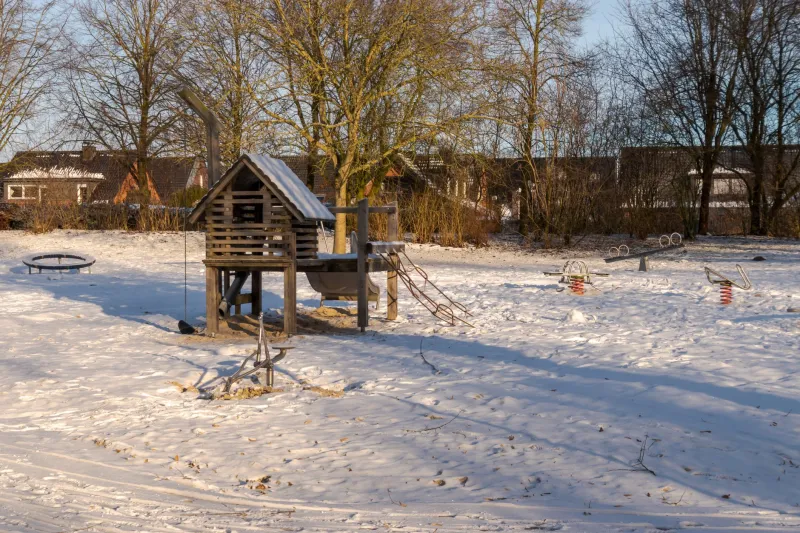
On a dry day, a plastic playground slide can build up charge. This needs adult supervision and sensible behaviour. Do not use a metal slide for this test, and do not let pupils climb or slide in unsafe ways. A safer classroom version is to rub a balloon on a plastic tray, then hold it near a thin stream of water from a tap turned on very gently. Watch how the water bends. For the slide link, pupils can simply discuss why plastic slides and woolly socks might make hair crackle, rather than testing it directly unless the school has a suitable, supervised setup.
A pupil-friendly recording sheet
Pupils can copy this table into a science book or use it as a talk sheet. The important part is not a perfect result; it is recording clearly and explaining what the evidence suggests.
| Station | What we changed | What we kept the same | What we measured | Prediction | Result |
|---|---|---|---|---|---|
| Balloon and jumper | Fabric type | Twenty rubs, same balloon, same paper pieces | Number of paper pieces lifted | ||
| Glove and ruler | Glove on or off | Twenty rubs, same ruler, same paper pieces | Number of paper pieces lifted | ||
| Balloon and water | Plastic tray or slide surface | Same balloon, same rub time, gentle water stream | How far the water bends |
A useful sentence starter for the conclusion is: 'The evidence suggests that... because...' Pupils should also note anything that went wrong, such as a balloon losing its charge or paper pieces sticking to the table.
Safety notes for grown-ups
Static electricity in these activities is very low risk, but supervision still matters. Use a pump rather than mouths to inflate balloons, and put broken balloon pieces straight in the bin because they are a choking hazard. Never experiment with mains electricity, plug sockets, chargers or anything that plugs into the wall. Keep water play gentle and away from electrical equipment. Avoid metal slides and rough play on playground equipment. Stop if a pupil has sensitive skin or finds rubbing uncomfortable. Pupils with latex allergies should not handle balloons; a plastic comb or ruler can replace the balloon in many tests.
Bringing it back to the classroom
Static electricity is a neat example of science hiding in ordinary routines. The next time a jumper clings or a door handle zaps, ask pupils to explain it in one sentence. Where did the charge come from? Why is it more noticeable in a warm, dry classroom? What would happen on a damp day? Those small questions turn a surprise into a habit of wondering, which is exactly the sort of habit we want at Lowerhouse.
If families try the trail at home, a dry day near a radiator-free table is ideal. Keep the tests short, record the results and compare notes. The zap between lessons is not bad luck. It is charge, air and fabric doing their thing, and November is a very good time to notice it.