Orange Freckles on Cold Metal: A Lowerhouse Winter Corrosion Detective Trail
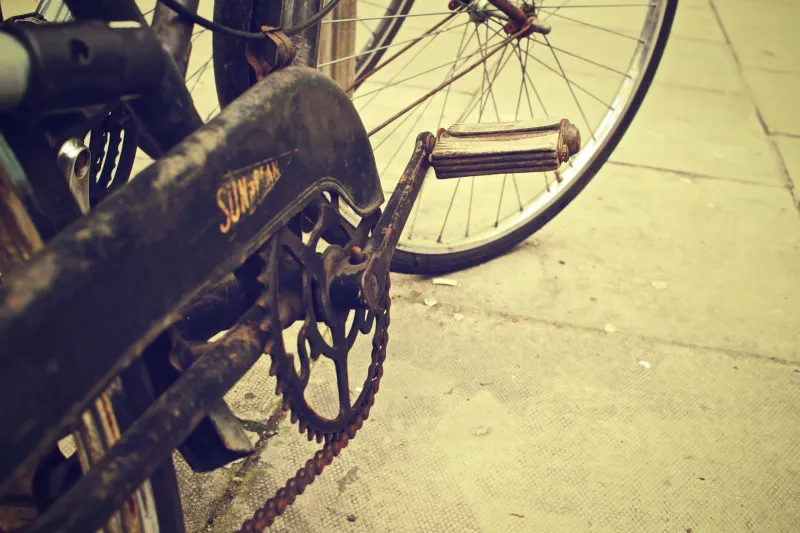
At Lowerhouse, the bike rack has been quietly developing a new colour since half term. It is not paint, and it is not something the caretaker ordered. It is rust: that orange-brown bloom that appears when iron or steel meets water and oxygen over time. Once you start noticing it, the school grounds turn into a very good materials survey. Gate hinges, playground railings, drain covers, bench legs and the metal band around the bin all tell slightly different stories about winter weather.
This is a gentle investigation rather than a scare story. Rust is a normal chemical change, and it is irreversible: once iron has rusted, you cannot simply dry it out and turn it back. But some metal fixtures seem to last far longer than others. Why? A winter corrosion detective trail can help pupils spot patterns, ask better questions and link classroom science to the damp, gritty reality of a British November.
Why some metal wears winter harder
Rust needs iron or steel, water and oxygen. Salt does not create rust on its own, but it makes the process much faster by helping the water carry electrons and ions. That is why coastal towns often see corrosion sooner, and why gritted roads and pavements can be tough on bicycles, scooters and school railings. Winter adds other pressures too: fewer drying hours, damp air, puddles that linger, and freeze-thaw cycles that can crack protective paint or coatings.
Not every orange patch is rust, mind. Some could be lichen, algae, old paint or mud. A good detective looks closely before labelling. Rust tends to look grainy, flaky or pitted, and it often appears where paint has been scratched or where water sits. A patch on the top of a railing behaves differently from a patch underneath it. Shelter matters. So does contact with the ground.
A rust-spotting map for school grounds
A clipboard, a pencil and a simple grid are enough for the first stage. With an adult, walk the permitted outdoor areas and choose six or eight metal fixtures. Good candidates include the bike rack, a gate hinge, a section of playground railing, a drainpipe bracket, a bench leg, a bin lid and any metal signpost. Avoid anything sharp, wobbly or clearly unsafe. Do not touch rusty edges with bare hands, and leave any damaged fixture to the site team.
For each fixture, record four things: where it is, whether it is sheltered or exposed, whether it touches the ground, and how much rust you can see. A simple scale works well: none, a few specks, patches, or flaking and pitted. Add a sketch or a photograph if your school allows it. The map does not need to be beautiful. It needs to be honest and consistent, so that two pupils looking at the same railing would give roughly the same score.
Back indoors, compare the results. Are the rustiest fixtures the ones closest to the ground? Are they the ones in shade, or near a gate that gets splashed? Does the bike rack look worse where paint has been chipped by handlebars? These are the kinds of questions that turn a walk into a science lesson. Pupils can suggest explanations, then decide which ones could be tested safely.
The classroom fair test: nails, water and a pinch of salt
To explore the effect of salt, try a supervised fair test with iron nails. Use identical nails, identical small cups or test tubes, the same volume of water and the same place to keep them. Label three setups: dry control, plain water, and salt water. The salt water should be weak, made by an adult, and the cups should sit on a tray to catch spills. Goggles are sensible, hands should be washed afterwards, and nobody should taste anything. This is a teacher-led demonstration or a closely supervised group activity, not a kitchen experiment to run unsupervised at home.
Keep all other variables the same. Same nail size, same water amount, same temperature, same light. Predict which nail will rust first. Then observe once a day for a week or two, recording colour, texture and any flakes. The dry control should stay largely unchanged. The plain-water nail may begin to show orange-brown spots. The salt-water nail often changes fastest. That result is a useful reminder that salt is not a magic rust-maker; it is an accelerator in the presence of water and oxygen.
Pupils can then link the test back to the map. The school gate near the gritted pavement may rust faster than a sheltered railing because it faces more salt, more splashes and more scratches. The bike rack may suffer where bikes are wheeled in and out, scraping paint and leaving bare metal. The drainpipe bracket may stay damp for longer. This is real materials science, done with simple equipment and careful observation.
Family bike and scooter care in gritting season
Gritting season is hard on family wheels. Road salt and slush collect around chains, brake cables and scooter bearings. A few small habits make a difference. Rinse mud and grit off metal parts with a gentle hose or a damp cloth, then dry properly. Avoid blasting water into bearings with a pressure washer. Wipe the chain, dry it, and apply a little bicycle oil. Check that paint is not chipped; a touch-up patch is cheaper than a new frame. Store bikes and scooters under cover where possible, and bring them indoors if they are wet. Check brakes and folding mechanisms regularly, especially if a scooter has been left outside.
At school, pupils can help by reporting dripping taps, blocked drains or damaged racks to staff rather than trying to fix them. A simple poster near the bike shelter could remind everyone to dry handlebars and check for rust spots. It is a small civic habit, but it fits Lowerhouse well: notice the problem, record it fairly, and take a sensible next step.
A small citizen-science habit
Rust is not a disaster. It is a sign that a material is interacting with its environment, and it gives pupils a visible, tangible way to talk about irreversible changes, variables and winter weather. The orange freckles on a cold bike rack are a prompt to look closer, not to panic. With a map, a fair test and a little care for bikes and scooters, Lowerhouse families can turn a damp November into a proper materials mystery.
If you try the trail at home or in class, keep it safe, keep it fair, and keep an eye on the gate hinge. It usually has the best stories.