Puddles Are Not the Enemy: A Lowerhouse Case for a Rain Garden
After another wet week at Lowerhouse, the puddles are back. They gather by the Year 3 door, along the edge of the tarmac, and in that low corner near the fence where children seem magnetically drawn to splash. It is easy to see them as a nuisance: wet socks, slippery patches, a line of cones, a mop by the entrance. But puddles are also evidence. They tell us where water is going, where it is not going, and what the playground surface is doing when the sky does its worst.
My argument is simple: Lowerhouse should treat its wet-weather puddles as a science opportunity, not just a cleaning job. A small rain garden — planted, shallow, and properly planned — could turn a soggy corner into a working outdoor classroom. It would not solve every drainage problem. It would not replace the site manager or the need for proper advice. But it could start a useful conversation in 2026 about permeable surfaces, drainage and rain-garden ecology, with pupils doing real observations along the way.
What the puddles are telling us
Water pools when it arrives faster than the ground can take it away. Playground tarmac and concrete are mostly impermeable, which means rain runs across the surface instead of soaking down. If the ground beneath is compacted, or the drains are already full, or the site slopes towards a low corner, puddles form. That is not a failure of anybody’s hard work. It is simply how a sealed surface behaves in heavy rain.
Climate change is making intense rainfall more likely in the UK, but we do not need to reach for big global arguments to make the point. A single wet playtime gives pupils a map of where water gathers and where it lingers. That is data. It is free, local and repeatable.
Permeable surfaces in plain English
A permeable surface lets water through. Grass, soil, gravel, planted beds and some porous paving do this naturally. An impermeable surface blocks water, so it runs off. A rain garden is a shallow planted dip designed to catch that runoff and let it soak away slowly. It is not a pond. It should drain within a day or two. It is a piece of green infrastructure dressed up as a flowerbed, and it can look rather good.
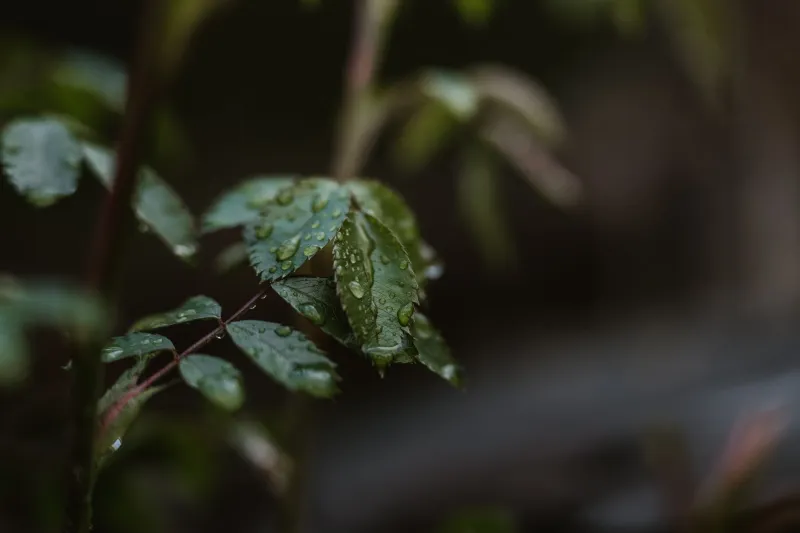
The ecology is part of the appeal. Rain-garden plants need to cope with wet spells and dry spells. UK native choices might include sedges, rushes, iris, marsh marigold and other damp-loving species. These plants slow the water, filter some pollutants and create habitat for invertebrates and birds. A rain garden is not just drainage with prettier edges. It is a small ecosystem that happens to do a job.
Drainage is a system, not a drain
One of the most useful things pupils can learn is that drainage is a system. Gutters, downpipes, slopes, soil, plants, drains and playing surfaces all interact. A rain garden works by slowing water down and giving it somewhere to go. It can reduce the peak flow into drains and lessen the worst of the puddling. It can also reduce some of the pollution that gets washed off hard surfaces.
But it needs proper design. A rain garden in the wrong place could make matters worse. It needs the right soil, the right levels, an overflow route and a maintenance plan. That is why the first step should not be a spade. The first step should be a map.
A pupil-led puddle patrol
A puddle mapping survey is cheap, safe and genuinely useful. After a rainy playtime or a lunchtime shower, pairs of pupils can mark puddles on a simple printed map of the playground. They can measure the width with string, estimate the depth with a ruler, note the surface, and record whether the puddle is near a drain, a downpipe or a low edge. Repeat the survey after 30 minutes and again after an hour. The puddles that shrink quickly are telling a different story from the ones that hang around.
Adults should supervise, and nobody should be measuring puddles during a storm or near traffic. Cones and high-visibility vests help. The data can go into a display, a class assembly or a report for the school council. It gives pupils a real audience and a real reason to care about averages, time and surface type.
A realistic next step for 2026
Parents and teachers do not need to campaign for a whole-playground rebuild. A more realistic proposal is a small trial rain garden in one corner, supported by the school’s site manager, the eco council and the parent-teacher association. The puddle map could be presented to governors as evidence of where water gathers. The ask could be modest: a feasibility conversation, a small budget line, and permission to invite someone with drainage or landscape expertise to look at the site.
There are practical questions to raise early: safeguarding, insurance, maintenance, who waters the plants in a dry spell, and who clears leaves in autumn. A rain garden should not create a new slip hazard or block an escape route. These are solvable questions, but they need to be asked before anybody starts digging.
Why it matters beyond wet socks
A rain garden would give Lowerhouse pupils a living example of permeable surfaces, runoff and habitat. It would give teachers a place to take a clipboard. It would give parents a practical way to support science learning without buying a single worksheet. And it would give the school community a shared answer to a familiar problem: instead of only mopping up after the rain, we could be learning where the water goes.
Puddles are not the enemy. They are a prompt. In 2026, a small puddle patrol and a sensible conversation about a rain garden could turn a soggy corner into one of the most useful science spaces on the Lowerhouse site.