The Rainbow Under the Rake: A Lowerhouse Leaf-Pigment Lab for Autumn Weekends
On a drizzly November afternoon, the Lowerhouse cloakroom becomes an unlikely science lab. Wellington boots are kicked off, coat sleeves are dripping, and a handful of soggy leaves is spread across a tray. Most of us walk past those leaves on the way to the gate. This month, try stopping for a closer look instead.
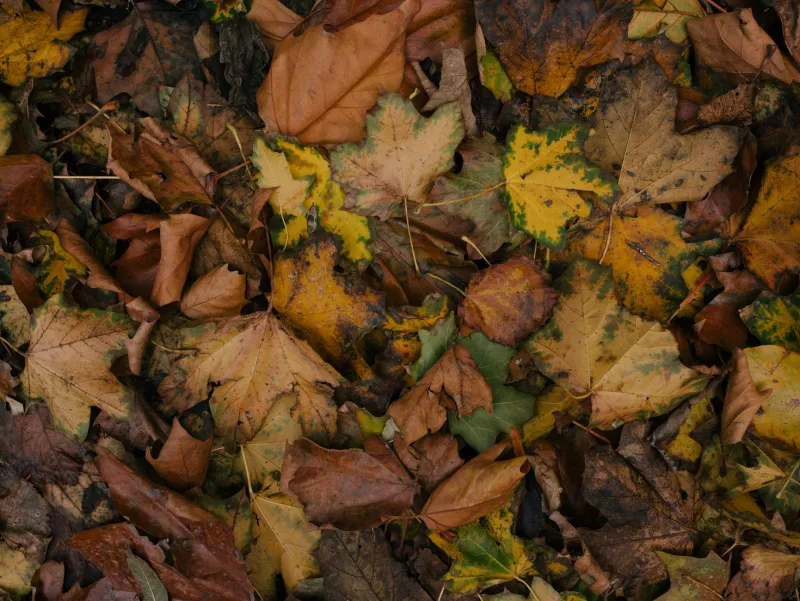
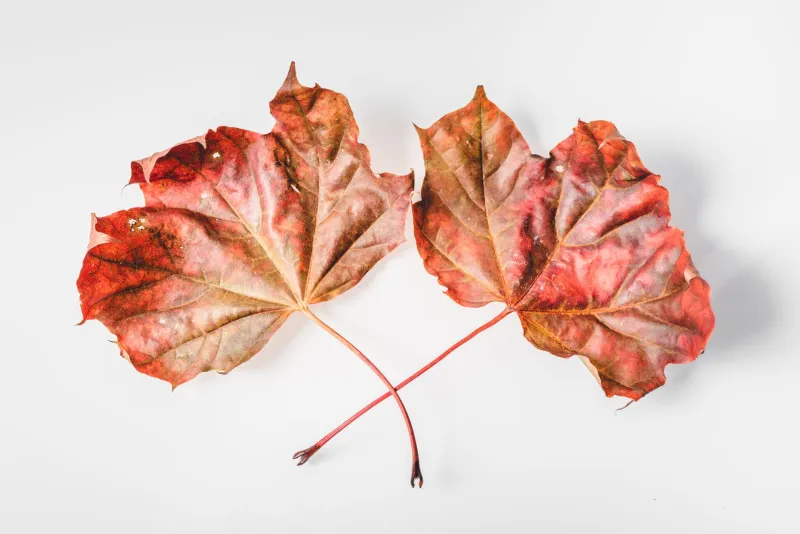
Autumn leaves are not simply “going brown”. They are changing chemistry. During spring and summer, leaves are packed with chlorophyll, the green pigment that helps plants capture light and make food. As daylight shortens and temperatures dip, chlorophyll breaks down. Other pigments that were there all along — yellows and oranges called carotenoids — start to show through. Some trees also produce red or purple anthocyanins in autumn, while brown tannins add the tea-coloured tones we see in older fallen leaves.
Paper chromatography is a gentle way to pull those pigments apart. It is cheap, quick enough for a school session, and brilliant at turning a pile of playground leaves into a set of colourful clues.
What you need
- A few freshly fallen leaves from different trees around the Lowerhouse grounds — sycamore, oak, birch, field maple or anything else you can identify safely. Pick leaves from the ground, not from living plants.
- Coffee filter paper or proper chromatography paper, cut into strips about 2 cm wide.
- Small clean jam jars with lids, one per leaf type.
- Surgical spirit or rubbing alcohol. This is an adult-only material: it is flammable and needs a ventilated room, no flames and careful hand-washing afterwards.
- A pencil, sticky tape, a teaspoon, labels and a tray to catch drips.
- Old clothes or aprons, and gloves if you have them.
Do not taste any leaf or solvent, and wash hands after handling plant material. Some plants can irritate skin, so stick to common fallen leaves and keep the activity adult-supervised.
The cloakroom method
- Label each jar with the leaf type and the date. Tear a couple of leaves into small pieces and drop them into the jar. Tearing gives the solvent more surface to work on; you do not need to grind everything to mush.
- Add just enough surgical spirit to cover the leaf pieces. An adult should do this part. Put the lid on and leave the jar for 30 to 60 minutes, giving it a gentle swirl every so often. The liquid should start to take on a green, yellow or brownish tint.
- While you wait, cut your filter-paper strips. Draw a pencil line about 2 cm from the bottom of each strip. Pencil is better than pen because ink would dissolve and confuse the results.
- Use a dropper or a small paintbrush to place a dot of leaf liquid on the pencil line. Let it dry, then add another dot in the same place. Three to five dots give a stronger result. Keep the dots small — this is a patience test as much as a science test.
- Pour a shallow layer of surgical spirit into a clean jar. Lower the strip in so the bottom edge touches the liquid, but the coloured dot stays above it. Tape the top of the strip to a pencil laid across the jar mouth.
- Wait 10 to 20 minutes. The solvent creeps up the paper and carries the pigments with it. Remove the strip before the solvent reaches the very top, mark where the liquid stopped, and leave the strip flat to dry.
Keeping it fair
A good investigation changes one thing and keeps the rest the same. Here, the variable you change could be the leaf type: oak versus sycamore, green versus yellow, fresh versus slightly older. Keep the number of leaf pieces, the amount of surgical spirit, the size of the paper strip, the waiting time and the room temperature as similar as you can.
That is what makes it a fair test rather than a colourful accident. If one strip has five dots of extract and another has one, you cannot really compare them. If one jar sits by a radiator while another stays in a cold cloakroom, the solvent will move at different speeds. Write these details down. Lowerhouse pupils are very good at spotting when a test has gone wobbly — and even better at suggesting a fix.
Reading the colour bands
A strong green band near the top is usually chlorophyll. Yellow and orange bands lower down often point to carotenoids. Red or purple streaks may suggest anthocyanins, though not every leaf will show them clearly. Browns can come from tannins and from pigments that have already broken down.
A green leaf picked earlier in the season may show a bold green line with only faint yellows. A yellow leaf from the same tree, collected later, may show much less green and a clearer yellow band. That difference is the story of autumn written in paper. It is also a handy reminder that leaves are not all following the same timetable. A sheltered hedge may hold its green longer than an exposed playground tree.
A small lab with a big season inside it
This activity fits neatly into a weather-and-seasons topic, but it also works as a rainy-weekend rescue plan at the kitchen table. Teachers can run it as a carousel with a few adult helpers. Families can collect leaves on the walk home and set up jars before tea. The results are not meant to be perfect. Streaky bands and muddy colours are part of the fun, and they often lead to better questions: Why did this leaf give a stronger yellow? Did the windy weekend change what we found? Which tree is holding on to its green longest?
So next time the rake comes out, keep a few leaves back. The Lowerhouse cloakroom may smell faintly of surgical spirit for an afternoon, but the paper strips on the windowsill will be worth it.